

A Manhwa Fan’s Dilemma
Written By Alex Eklund
For the purposes of this piece, I’m using the term manhwa to refer specifically to the modern, digital-first webcomic format that dominates today’s online reading platforms. I recognize that manhwa is a much broader term in Korea, encompassing both print and digital works with a history spanning decades.
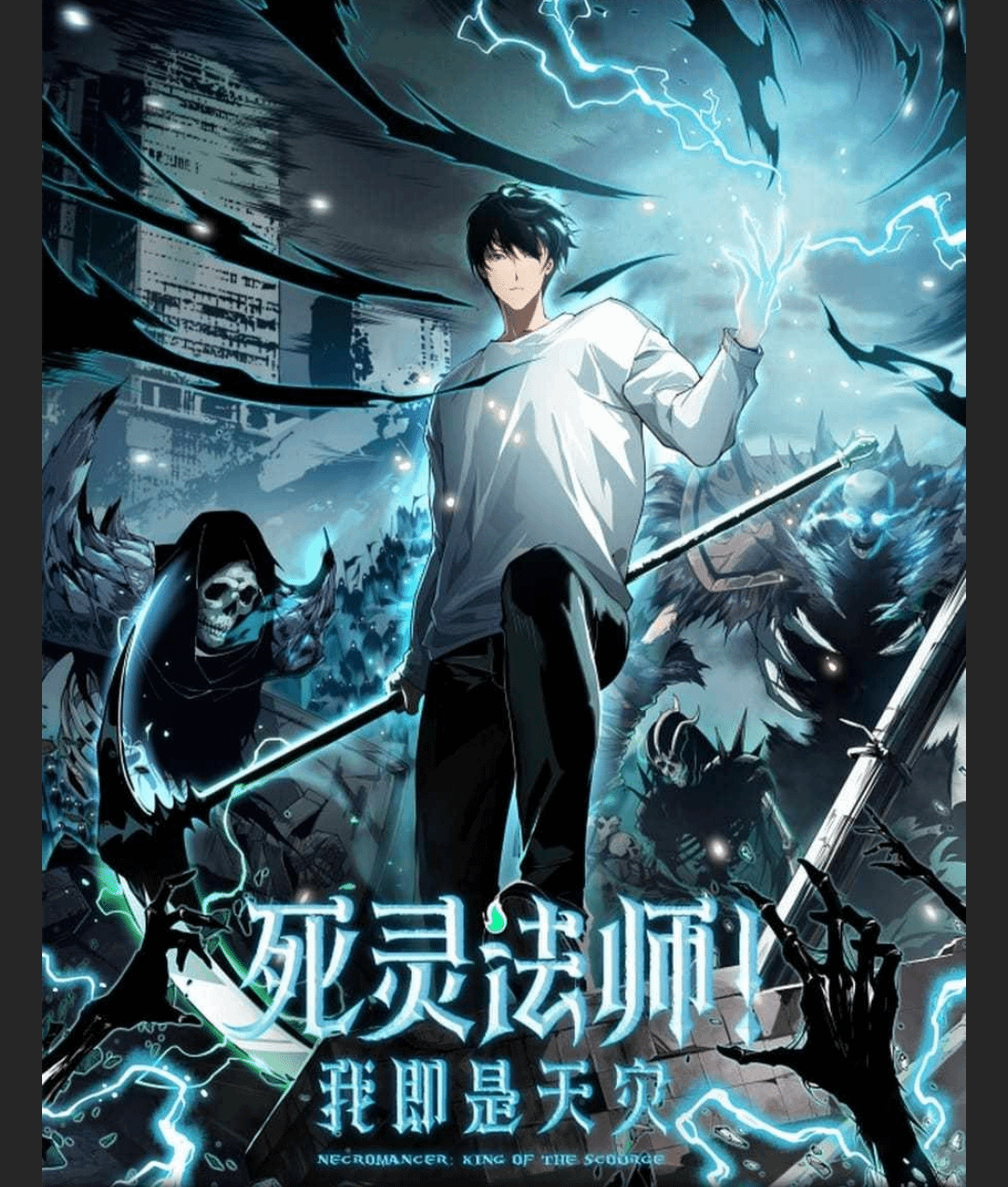
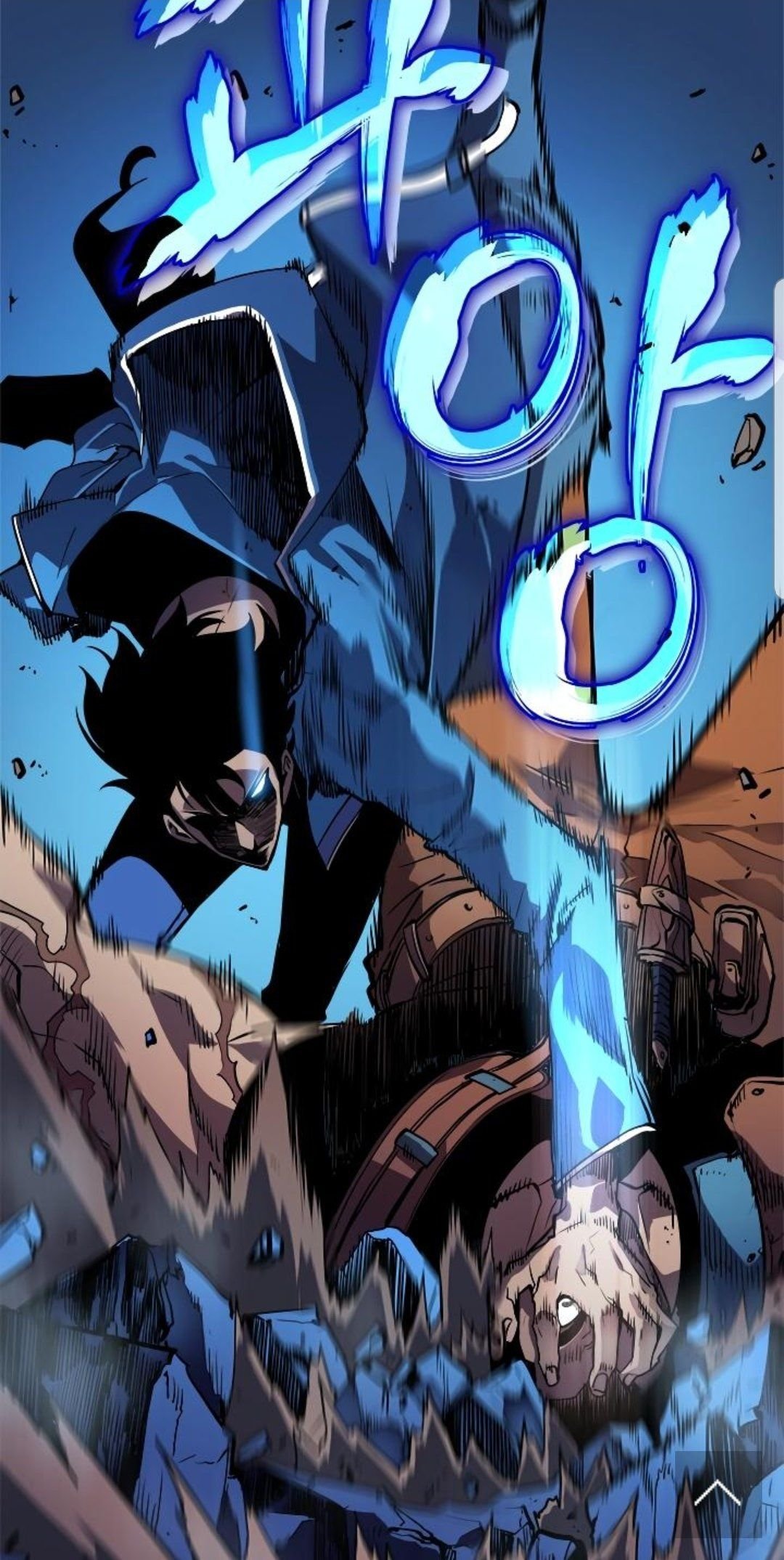
One of the greatest privileges of being a teacher is the steady stream of cultural recommendations that flow from students. They routinely ask me if I’ve watched a particular series, listened to a new artist, or—on rare occasions—read a book or comic that’s captured their attention. Several years ago, one of my students asked if I had read Solo Leveling, at the time arguably the most successful manhwa in America.
Up until that point, I had largely dismissed manhwa. My initial exposure to the material online left me with the impression that it was visually simplistic, and the now-ubiquitous infinite scroll format felt awkward and uninviting compared to the traditional page-based structure I was accustomed to. But my student’s taste in books had proven reliable before, so I set aside my biases and gave Solo Leveling a try.
What I discovered surprised me. Solo Leveling—and the countless other manhwa I would later explore—revealed a format designed for the digital equivalent of a page-turner. Chapters are brief and easily consumed, with the first few installments typically free, encouraging a rhythm of quick, addictive reading. There’s a deliberate hook built into the structure; before you know it, you’ve consumed five, ten, or twenty chapters in a sitting.
Prior to this, the only American comics that gave me a similar feeling of compulsive forward momentum were The Walking Dead and Saga—series I adore, but which, for all their craft, remain well-written genre comics without much lasting thematic impact. (For context, I once read the first fifty issues of The Walking Dead in one sitting.) Enjoyable? Absolutely. Transformative? Not quite.
After finishing Solo Leveling, I dove deeper into the manhwa ecosystem, only to find myself slightly embarrassed by how much I was reading. The embarrassment wasn’t financial—most of what I read was fan-translated—but rather tied to my own internal hierarchy of comics. I would move from reading Eddie Campbell’s latest book on the history of classic newspaper strips—rich, layered work steeped in the medium’s heritage—to a brightly colored, often interchangeable adventure series whose plots blurred together after a while.
That embarrassment dissipated when I realized something important: manhwa had become the perfect reading material before bed. Its consistent format, generally high baseline of competent art, and predictable rhythms provided a kind of relaxation I didn’t find elsewhere. Some people unwind with television; I now unwind with manhwa. It brings me genuine joy, even if it isn’t the most “constructive” or “serious” form of reading I could engage with at the end of the day.
This is not meant as a criticism of the form. I’ve encountered manhwa with truly striking art and compelling storytelling. But because creators are often expected to release a new chapter every week, most series eventually settle into a steady rhythm after 50 to 75 installments. That sameness—while perhaps a limitation in terms of literary ambition—can also be deeply comforting to a reader.
So if you’re looking for something fun, engaging, and low-pressure, I encourage you to give manhwa a chance. It may not carry the weight of the medium’s great masterpieces, but it doesn’t need to. Sometimes, a comic’s value lies in its ability to meet you exactly where you are, even if that’s simply at the edge of sleep.
