

The Teenage Mutant Ninja Turtles Compendium
★★★☆☆
For longtime fans of Teenage Mutant Ninja Turtles Adventures, this collection is arguably the best way to revisit and enjoy these classic stories, faithfully presented in their original form. For broader Ninja Turtles enthusiasts, it offers an entertaining extension of the characters’ hijinks and the eccentric cast of allies and villains they encounter along the way. However, for readers without nostalgic ties or a strong affection for the franchise, the price point may feel steep relative to the content. Even so, it remains a worthwhile curiosity to explore if the opportunity arises, especially for those interested in a genuine snapshot of late 1980s and early 1990s pop culture comics.
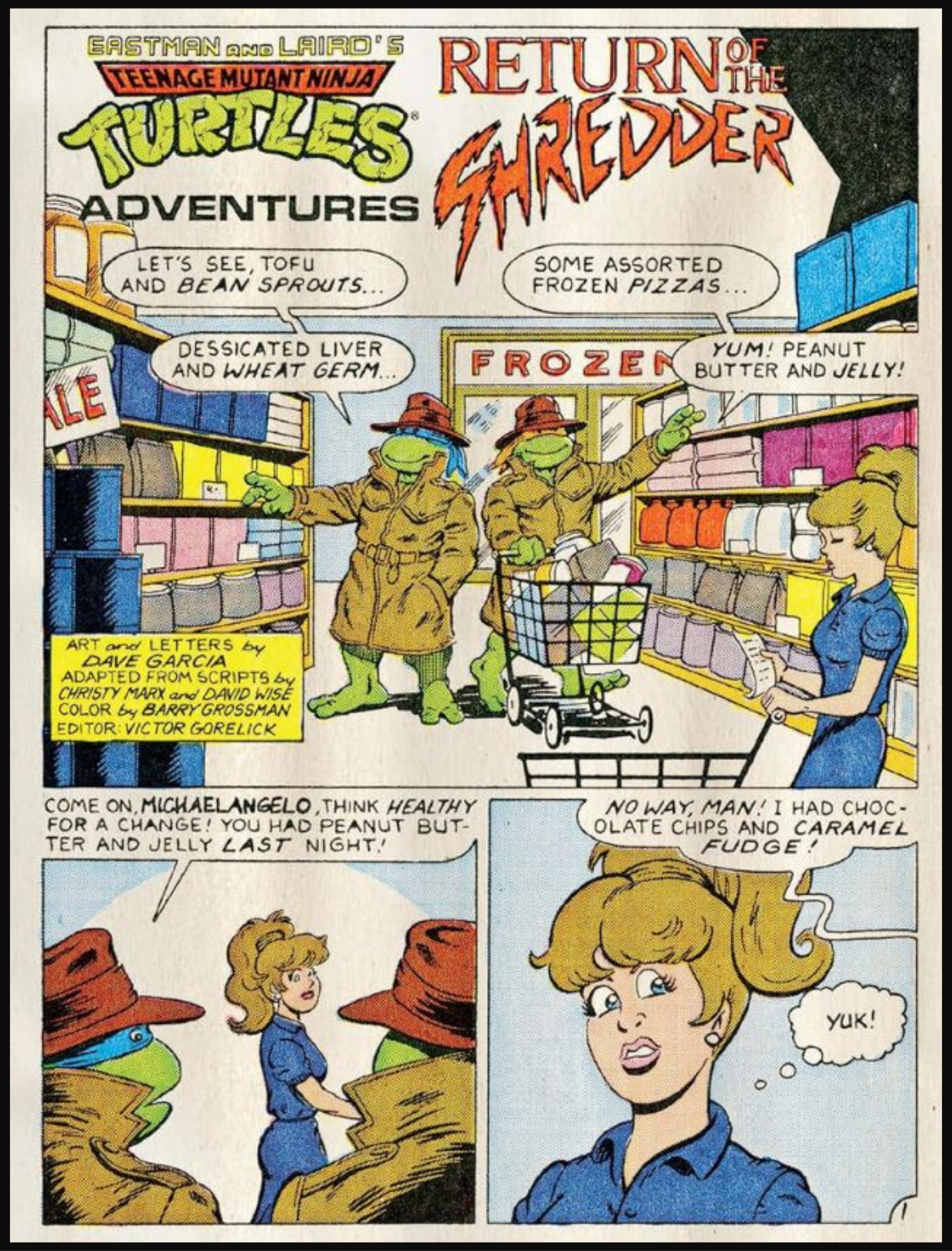
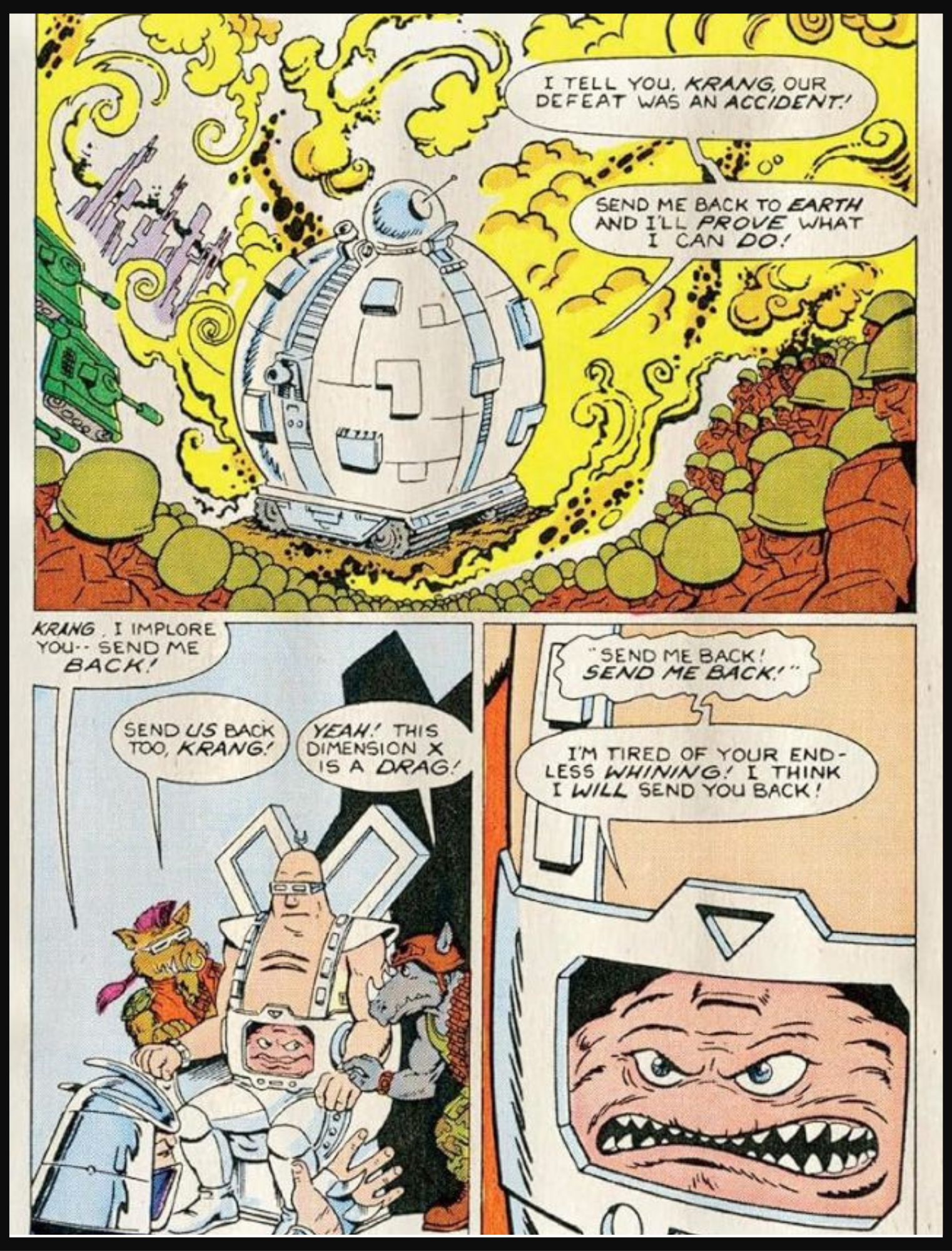
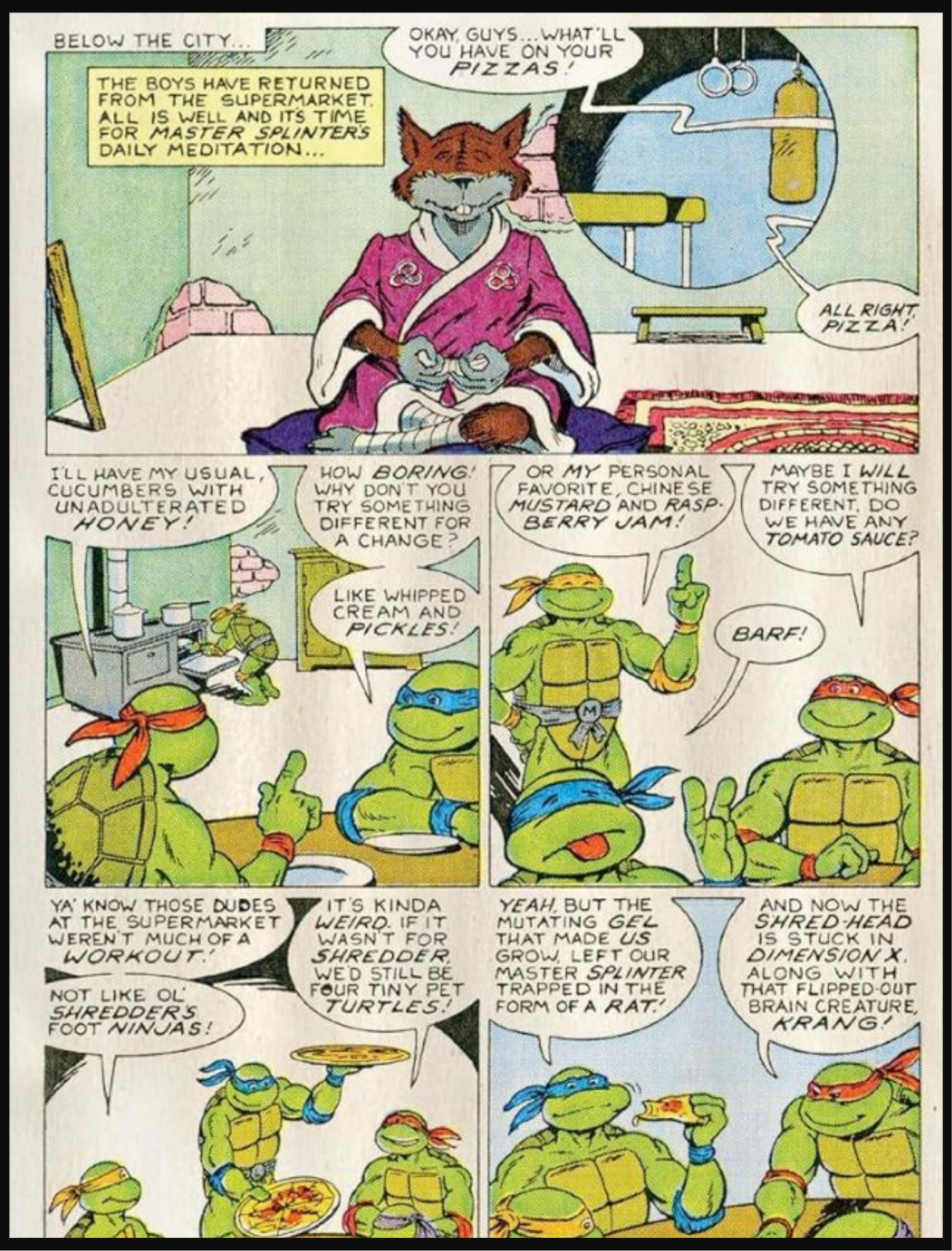
“For longtime fans of TMNT Adventures, this collection is arguably the best way to revisit and enjoy these classic stories.”
-Alex Eklund, Canon Comic Magazine
Synopsis
In the late 1980s and early 1990s, Kevin Eastman and Peter Laird broadened the reach of their Teenage Mutant Ninja Turtles franchise by licensing the characters to Archie Comics. This collaboration produced a more family-friendly, PG-rated interpretation of a property that had originally emerged from the grittier, near R-rated tone of the 1980s black-and-white independent comics boom. Rather than mirroring the darker, more satirical edge of the original series, the Archie comics closely aligned with the animated television show that premiered around the same time. The result was a lighthearted and energetic take on the Turtles, featuring self-contained, episodic adventures filled with humor, eccentric villains, and playful action. While lacking the thematic depth and subversive qualities of the source material, this iteration offered a fun, accessible entry point for younger readers and helped solidify the Turtles’ place in mainstream pop culture.
Critique
Story - The Teenage Mutant Ninja Turtles Adventures series from Archie Comics may be undeniably juvenile, but it successfully captures the energy, humor, and excitement that made the characters so appealing to young readers. While the stories are very much products of their time—complete with dated cultural references and a straightforward moral tone—they retain a sense of charm and lighthearted fun. For those who grew up with the series, it offers a nostalgic return to the vibrant, carefree world of the Turtles. For new readers, the appeal may be more moderate, but the comics still provide an enjoyable snapshot of the era’s approach to all-ages storytelling.
Art - The artwork in Teenage Mutant Ninja Turtles Adventures varies noticeably depending on the contributing artist. In some issues, the figure work can feel somewhat stiff or simplified, reflecting the quick turnaround typical of licensed comics. However, regardless of stylistic differences, each artist demonstrates a consistent strength in conveying emotion through expressive facial features and dynamic body language. This emphasis on character expression helps maintain the lively, approachable tone of the series, ensuring that the humor and personality of the Turtles always shine through.
Craft - The storytelling structure in Teenage Mutant Ninja Turtles Adventures varies considerably from issue to issue, reflecting the range of artists and production demands typical of the series. Some pages feature only a handful of large panels, giving the impression of quickly filled space rather than a deliberate storytelling choice. Conversely, other artists crowd pages with numerous panels and dense details, resulting in layouts that can feel visually claustrophobic. Overall, most of the page designs remain conventional and “safe,” adhering to the straightforward, accessible style characteristic of Archie Comics during that era. While rarely innovative, the layouts serve their purpose, keeping the focus on the characters and lighthearted action.
Impact - On the surface, Teenage Mutant Ninja Turtles Adventures may seem to have limited impact, functioning primarily as a licensed tie-in to a popular franchise. However, its true significance lies in its role as a gateway comic for many young readers of the time. With its approachable storytelling, simple plots, and minimal exposition, the series provided an accessible entry point into the world of comics. For a generation of fans, these issues offered lighthearted fun and helped cultivate a lasting love for the medium. While they may not contribute meaningfully to modern comics discourse, their nostalgic charm and their value as an introduction to comics remain undeniable.
Production
The current hardcover collection of Teenage Mutant Ninja Turtles Adventures may feel costly relative to the simplicity of its content, but the presentation is thoughtfully executed. IDW Publishing, in collaboration with Nickelodeon, has chosen to reproduce high-quality scans of the original comics, preserving the authentic look and feel of the issues as they appeared to readers in the late 1980s and early 1990s. For those who prefer archival fidelity over modern recoloring or digital touch-ups, this approach honors the material’s original charm. The hardcover format, complete with a ribbon bookmark and clean design, adds an appealing visual polish to the package. While the price point may give some pause, the nostalgic value and respectful treatment of the source material make it a worthwhile addition for longtime fans.
