“How do I get to be at least almost as good as the Greats? The only way I can think to do it is with hard work and study and by not giving up. It’s like the old joke: How do you get to Carnegie Hall? Practice!”
- Mike DeCarlo
Scroll for more content or click below for:
Articles on the Canon website serve as both previews and companions to the features found within the Canon magazine. Rather than duplicating existing content, these pieces offer contributors an opportunity to share their insights with readers in a more immediate format. The Articles section is designed as a complement to the magazine—extending its conversations, deepening its themes, and keeping the dialogue around comics vibrant between issues.
Reviews on the Canon website act as both showcases and extensions of the review writing featured in Canon magazine. While not reprinted from the magazine itself, these reviews allow contributors to engage with new releases and enduring works in a timely and dynamic way. The Reviews section serves as a supplement to the magazine experience, offering readers thoughtful criticism and fresh perspectives on the comics we love.
Articles & Reviews
★★★★★
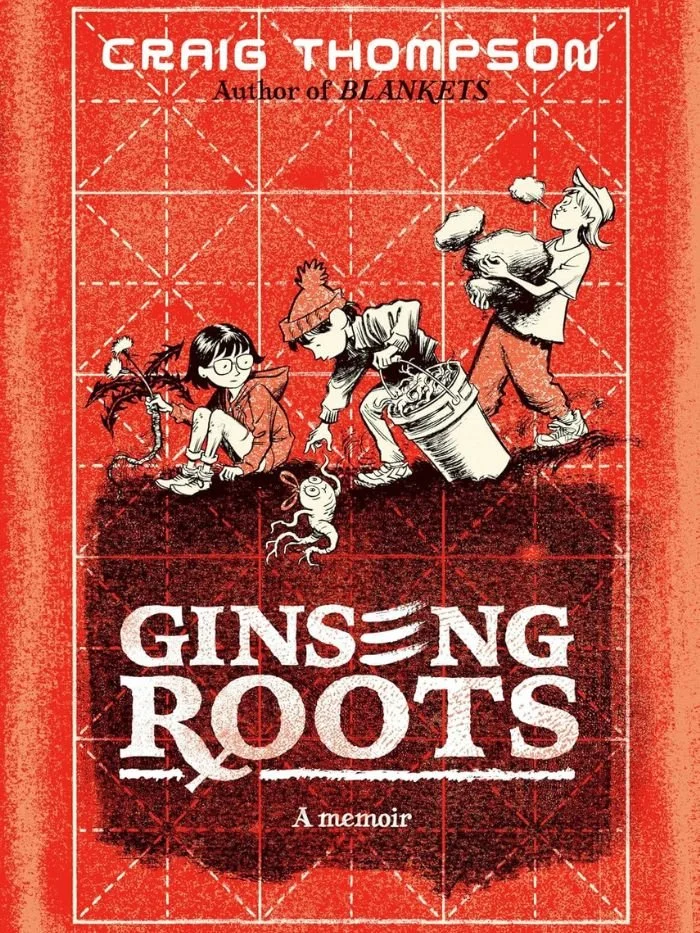
Ginseng Roots is a remarkable blend of personal memoir and deeply researched reportage, offering both an intimate portrait of Craig Thompson’s upbringing and a rich exploration of the cultural, historical, and economic significance of ginseng. It balances emotional resonance with an almost journalistic depth of information, creating a work that is as enlightening as it is personal. In many ways, this feels like Thompson’s most accomplished and mature project to date—an evolution of his storytelling that demonstrates both artistic and intellectual growth.
★★★☆☆
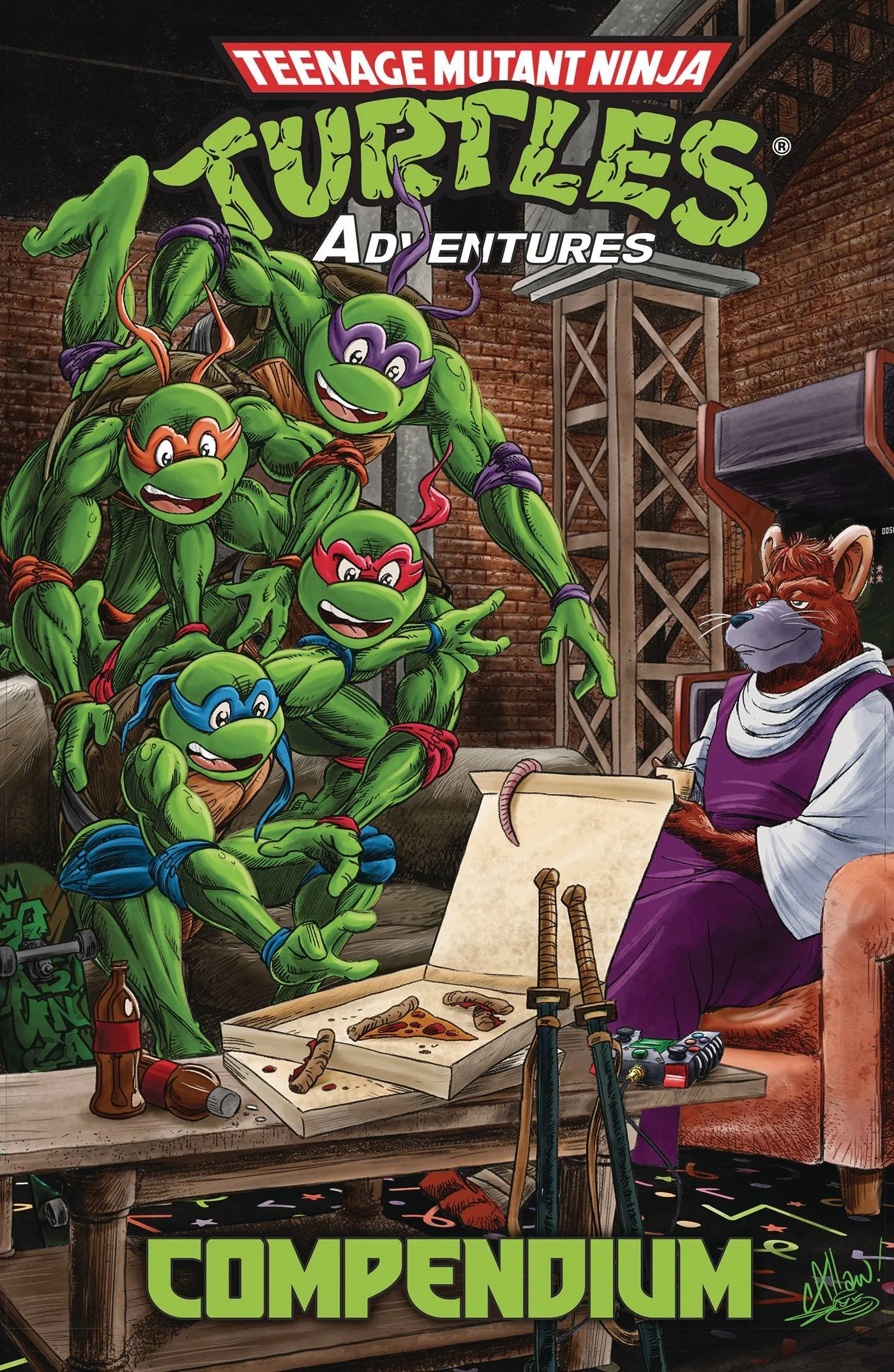
In the late 1980s and early 1990s, Kevin Eastman and Peter Laird broadened the reach of their Teenage Mutant Ninja Turtles franchise by licensing the characters to Archie Comics. This collaboration produced a more family-friendly, PG-rated interpretation of a property that had originally emerged from the grittier, near R-rated tone of the 1980s black-and-white independent comics boom. Rather than mirroring the darker, more satirical edge of the original series, the Archie comics closely aligned with the animated television show that premiered around the same time. The result was a lighthearted and energetic take on the Turtles, featuring self-contained, episodic adventures filled with humor, eccentric villains, and playful action. While lacking the thematic depth and subversive qualities of the source material, this iteration offered a fun, accessible entry point for younger readers and helped solidify the Turtles’ place in mainstream pop culture.
Embarrassing or unwinding?
Even if it isn’t the most “constructive” or “serious” form of reading I could engage with at the end of the day, it brings me genuine joy.
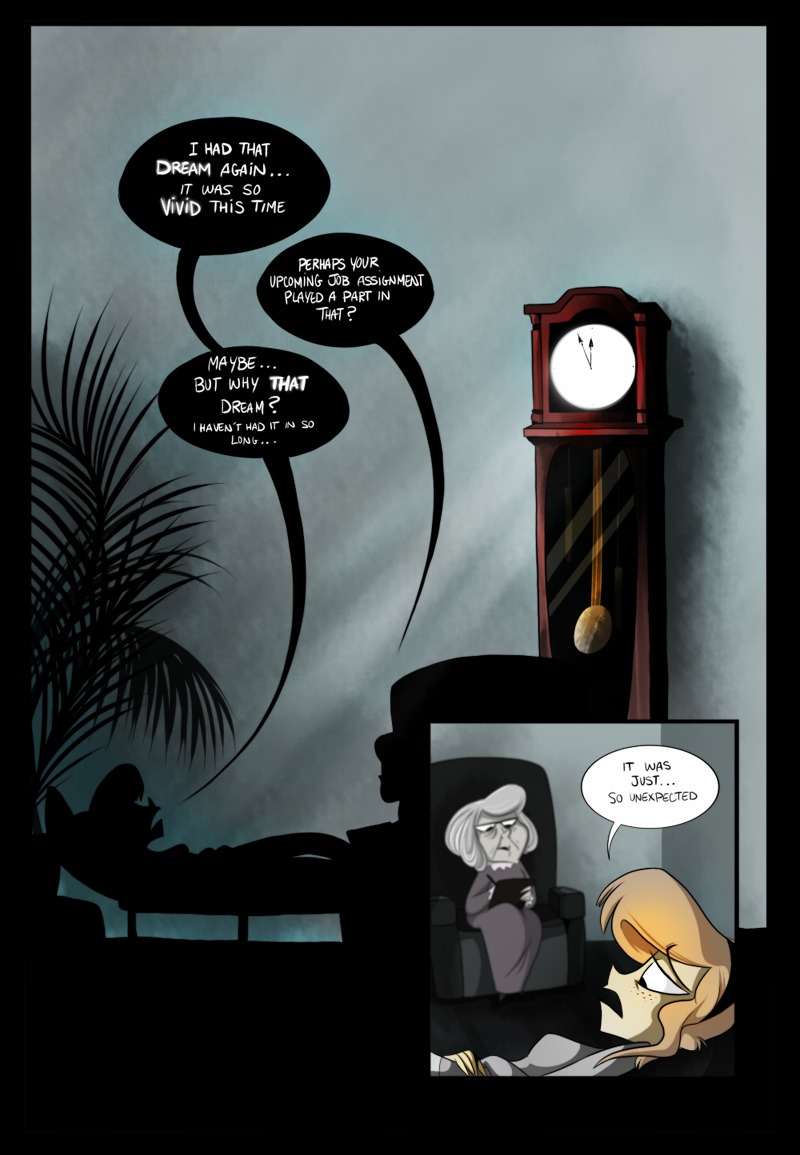
Searching for more of Vivienne Medrano’s content post-binging Hazbin Hotel and Helluva Boss, I discovered Medrano’s unfinished webcomic Zoo Phobia. Reading what exists of the series reminded me of something fundamental yet often overlooked: the profound influence of classic cartoons on the language of comics.
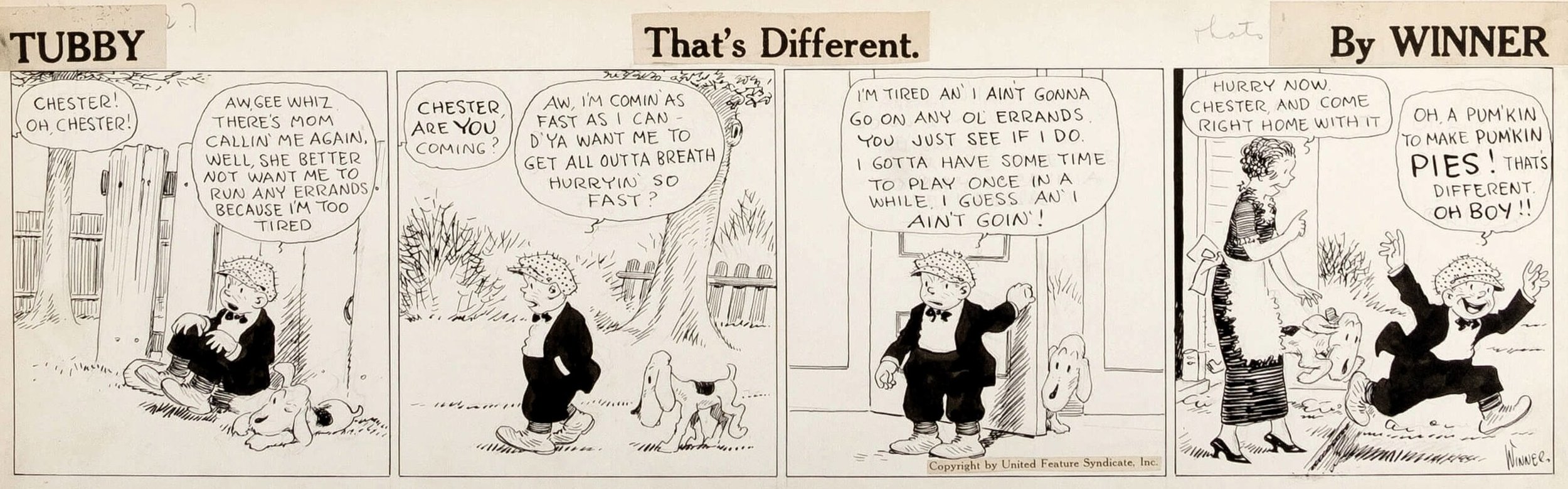
In an age when comics history is still being rediscovered, Winner’s name deserves to be spoken alongside the greats of his time.
★★★★☆
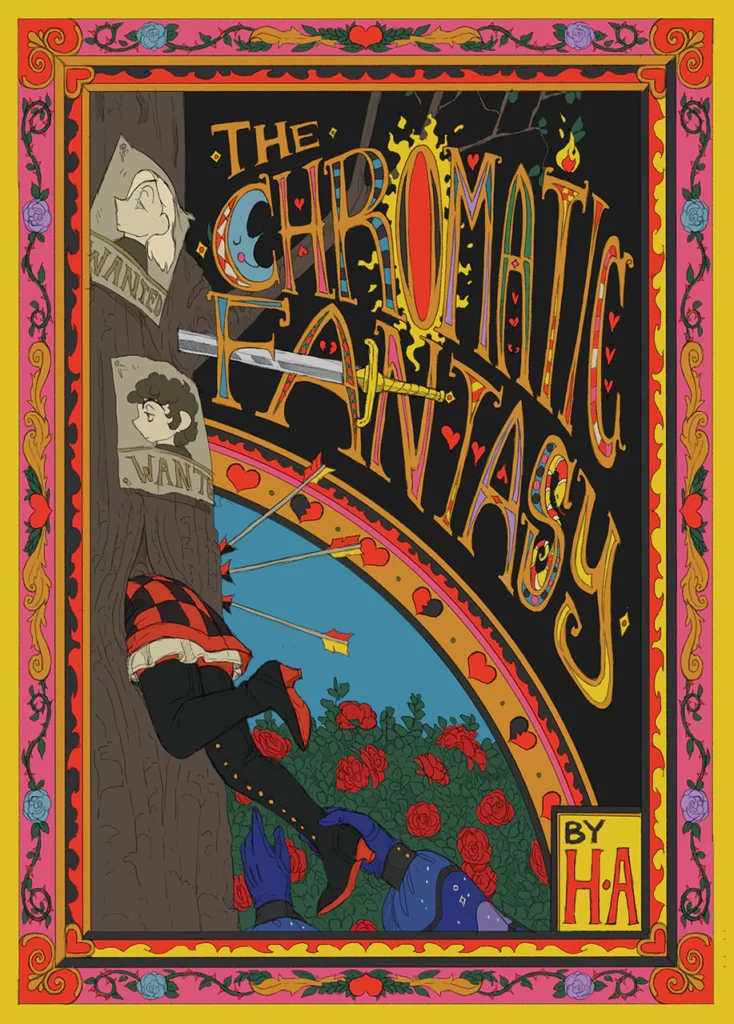
This is the kind of book which is a lot of fun from the whimsical fantasy setting, the wonderful color work reminiscent of classic Disney movies, to the fully realized romantic elements of the story.
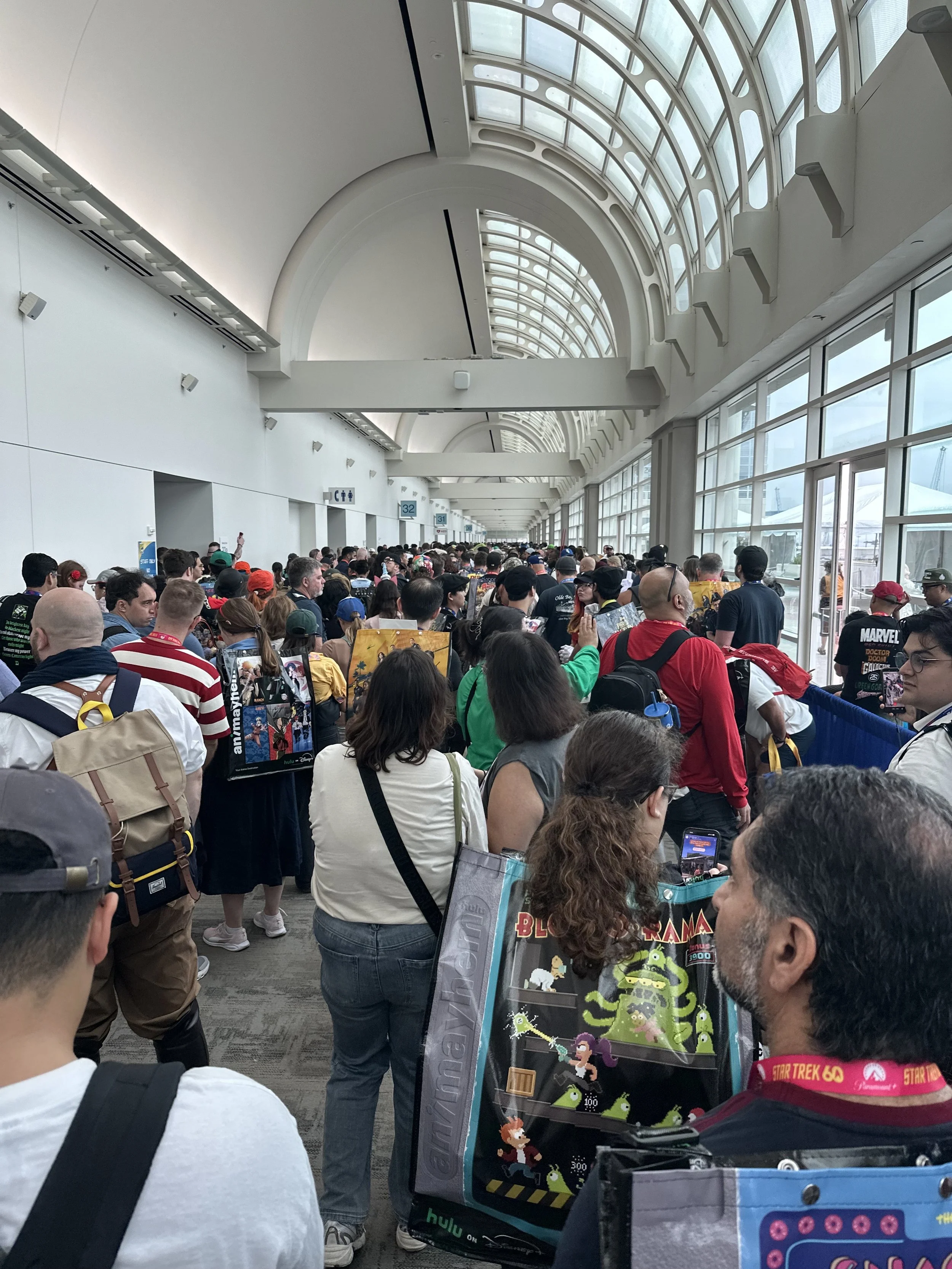
Over the past few years, the Washington State Summer Con has easily doubled in size, mirroring the growth of other regional conventions and yet, like so many of its counterparts, its relationship to comics—the medium that in many ways gave birth to modern “con culture”—has become increasingly ambivalent.
★★★★☆
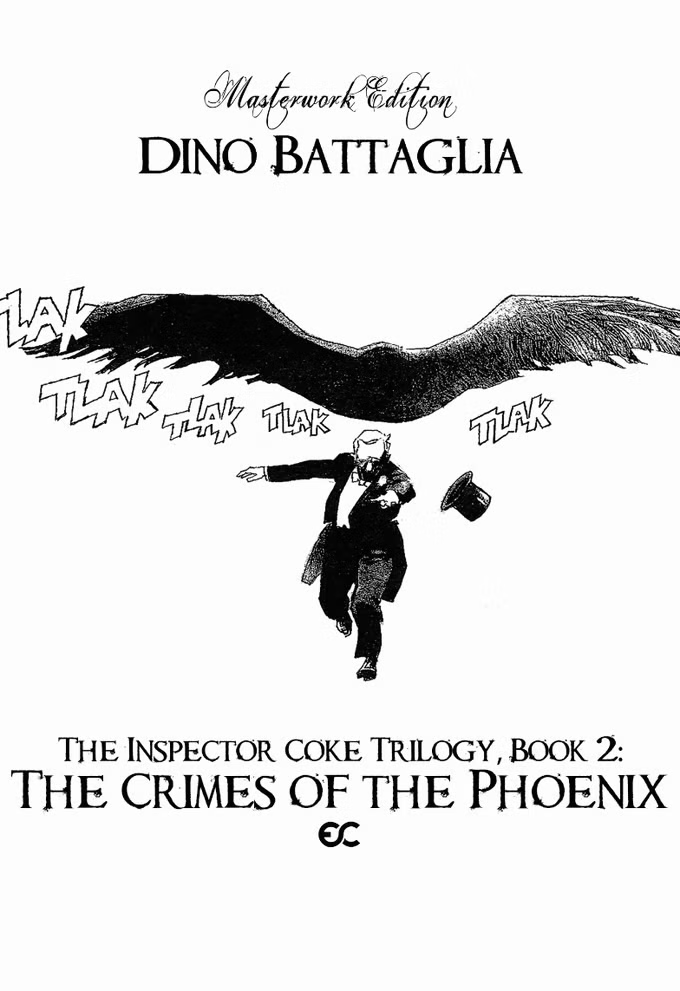
The Inspector Coke Trilogy by Dino Battaglia is a masterfully crafted series of atmospheric murder mysteries infused with elements of the uncanny and the supernatural. Each installment presents a self-contained case, yet all are united by the enigmatic presence of Inspector Coke, whose calm intellect and understated demeanor provide a steady anchor amid the eerie circumstances he investigates. Battaglia deftly balances classic detective storytelling with Gothic overtones, blurring the line between rational explanation and otherworldly possibility. Taken together, the trilogy forms a haunting exploration of crime, fear, and the thin veil separating the natural from the supernatural.
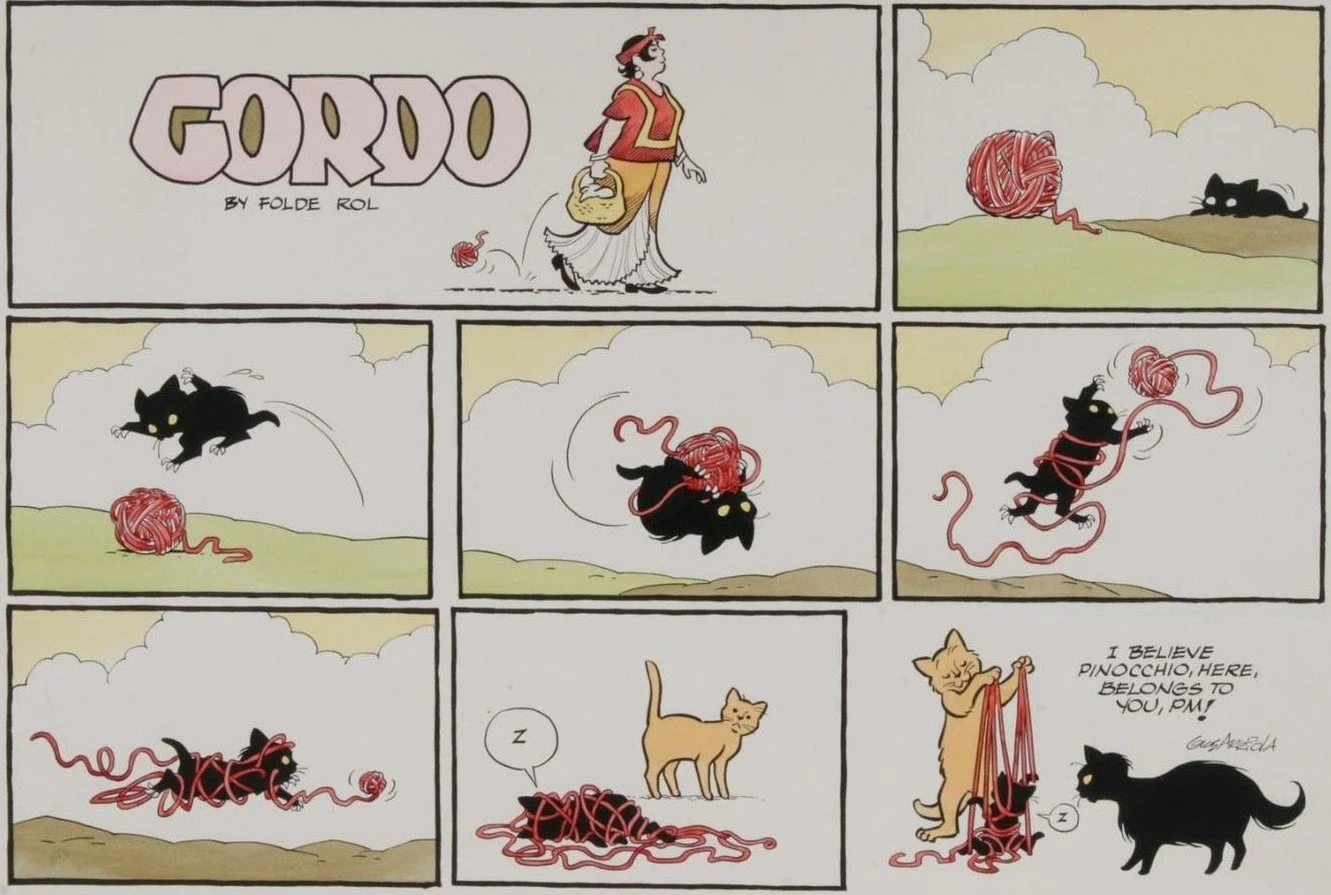
Running from 1941 to 1985, Gus Arriola’s “Gordo” depicts the cultural and social aspects of Mexico through the eyes of Salazar "Gordo" Lopez. While praised for its artistic style, humor, and educational value, the comic strip also faced criticism for its occasional stereotypes and inaccuracies about Mexican history and politics.
★★★★☆
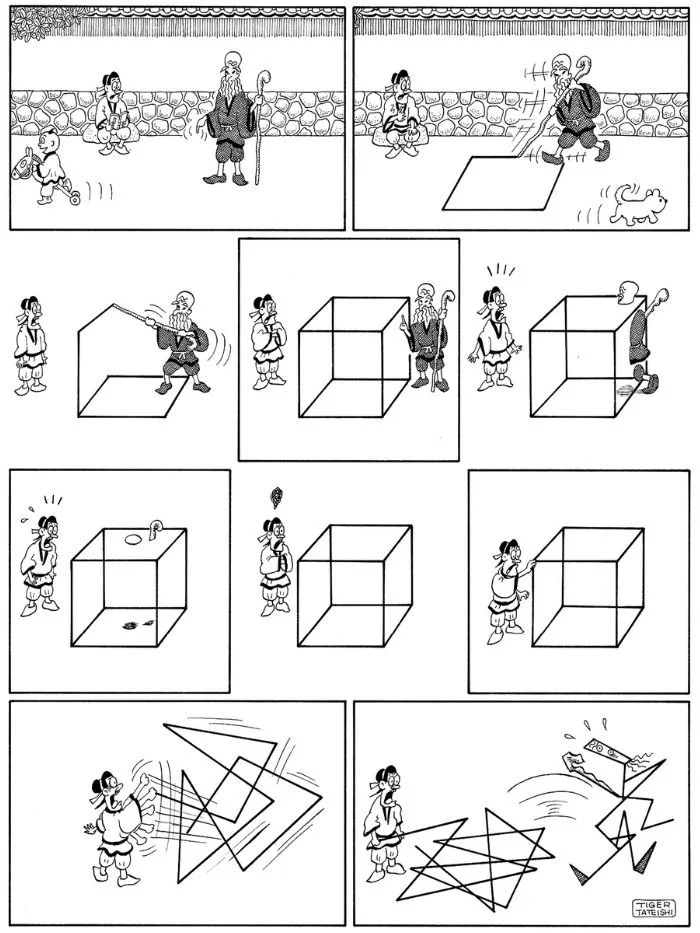
The concept for each comic is simple in concept, but executed with mathematical precision reminiscent of M.C. Esher. One can read this book in 20 minutes, but will have to revisit again and again due to the incredible craft underlying the work.