The Relegation of Comics Creators at Conventions
Written By Alex Eklund
In the spring of 2025, I attended Washington State Summer Con, now seemingly the second-largest pop culture convention in the state. Like many similar events across the country, it began humbly—as a toy convention—but has since expanded to include books, comic creators, celebrity guests, and large-scale exhibits. Over the past few years, it has easily doubled in size, mirroring the growth of other regional conventions. And yet, like so many of its counterparts, its relationship to comics—the medium that in many ways gave birth to modern “con culture”—has become increasingly ambivalent.
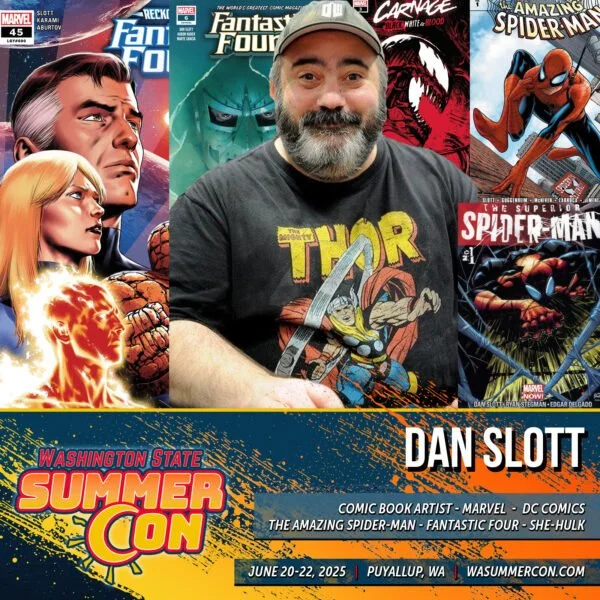
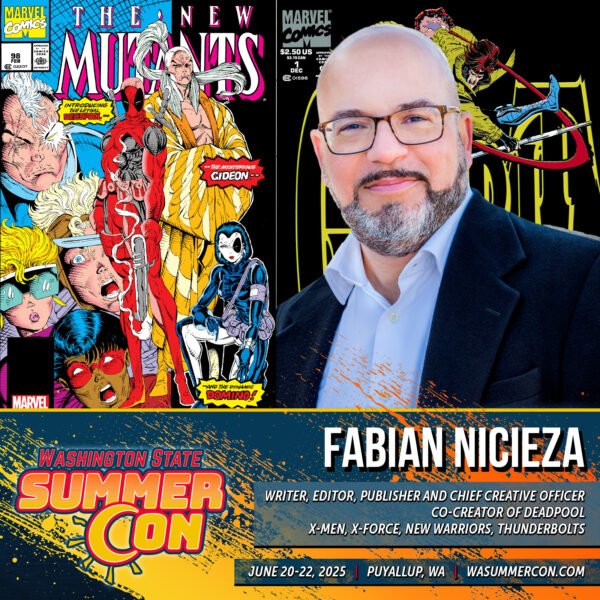
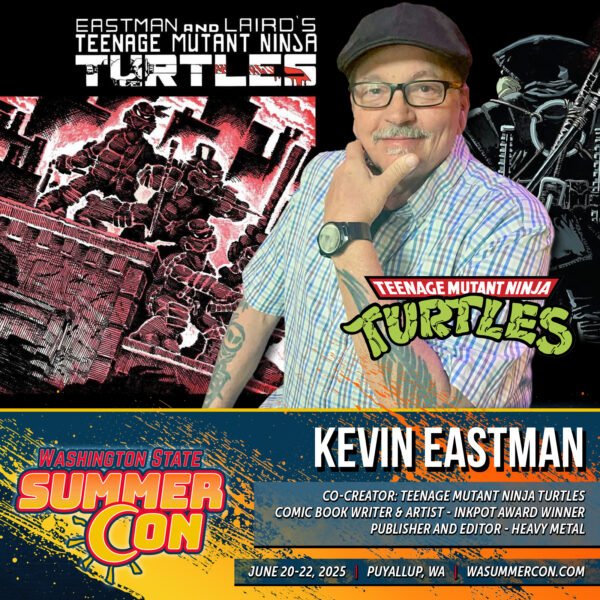
When I first began attending, comics creators, vendors, and celebrity guests were all housed under the same roof. Now, the event sprawls across multiple buildings: one main building which includes a little bit of everything but mostly high-profile celebrities, another for vendors and secondary tier celebrities, and a smaller, more peripheral space for those on the outside. Those with significant name recognition—Kevin Eastman, for instance—are elevated to celebrity status and placed alongside the Teenage Mutant Ninja Turtle actors. But creators with notable careers who don’t quite carry that same pop culture cachet—Dan Slott, Fabian Nicieza, Joëlle Jones—find themselves relegated to the vendor building, tucked between booths selling Funko Pops and mass-produced posters.
At first, it was jarring. To walk past a wall of toys only to stumble upon the artwork of Joëlle Jones felt oddly disrespectful, as if her work had been demoted to the same level as generic merchandise. The transactional noise of that room—people haggling over toys and posters—felt like the wrong backdrop for meeting the people who actually create the stories that inspired so much of this pop culture ephemera.
But as I wandered around the space longer, my feelings became more complicated.
On one hand, I fully recognize how disheartening this must feel for the creators themselves. Over the past decade, I’ve heard variations of the same refrain in interviews and conversations with cartoonists: that pop culture has moved on without them, that they are increasingly peripheral at events that wouldn’t exist without the groundwork laid by comics in the first place. No artist should feel forgotten or disrespected, and yet this is an uncomfortable reality of modern conventions—where spectacle, celebrity, and consumerism often overshadow the very medium at the root of it all.
On the other hand, as someone who grew up attending small, haphazard conventions in the malls of the 1990s, I found something unexpectedly charming about it. It reminded me of a time when conventions felt less hierarchical and more like a jumble of subcultures coexisting in one shared space. Wandering through that room, I could jump from comics to toys to obscure memorabilia without the sense of being shepherded toward a “main attraction.” There was an egalitarian feel to it—however accidental—where everything and everyone felt like part of the same chaotic tapestry.
I realize this perspective is far from universal. My friend Colin Blanchette, for example, vastly prefers when comics are the clear focus of a convention, where creators and vendors of comics or original art occupy the heart of the space, not the edges. And I generally agree—comics deserve to be centered rather than sidelined.
But despite its imperfections, I genuinely enjoyed the atmosphere of Washington State Summer Con 2025. Even with creators pushed to the boundaries of the event, there was a sense of discovery around every corner, a feeling that echoed the haphazard mall conventions of my youth. Maybe it’s nostalgia speaking, but for a moment, it felt like everything was on equal footing again—even if only in the eyes of a wandering attendee.