

The Inspector Coke Trilogy - Dino Battaglia
★★★★☆
The Inspector Coke Trilogy is an enjoyable, if somewhat predictable, collection of detective stories that adheres closely to classic genre conventions. The true strength of the series lies in Dino Battaglia’s evocative and atmospheric artwork, which elevates even the most straightforward narratives into visually compelling experiences. Hopefully, its availability in English will spark greater interest in Battaglia’s body of work and encourage more of his comics to be translated for a wider audience.
Reviewed By Alex Eklund
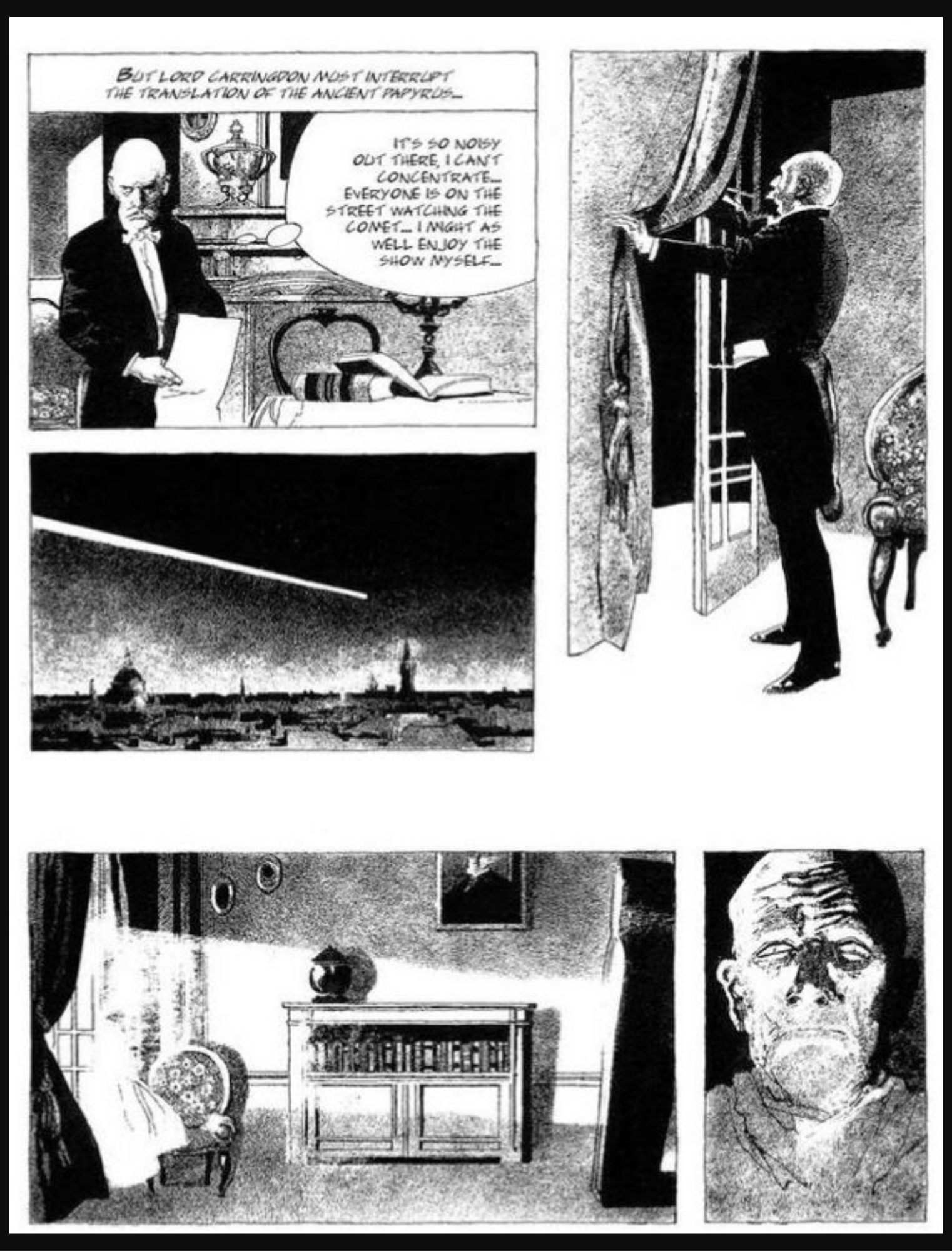
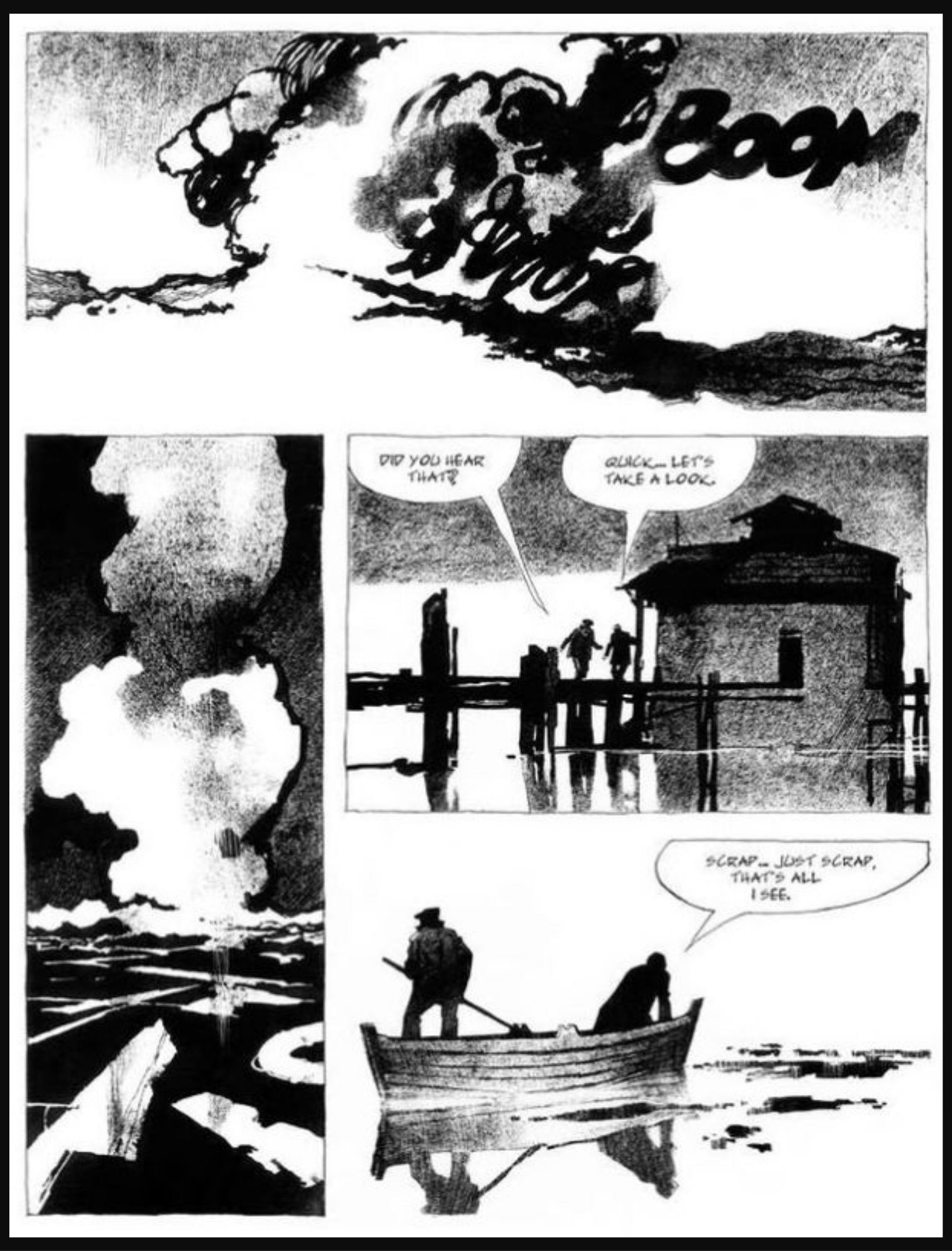
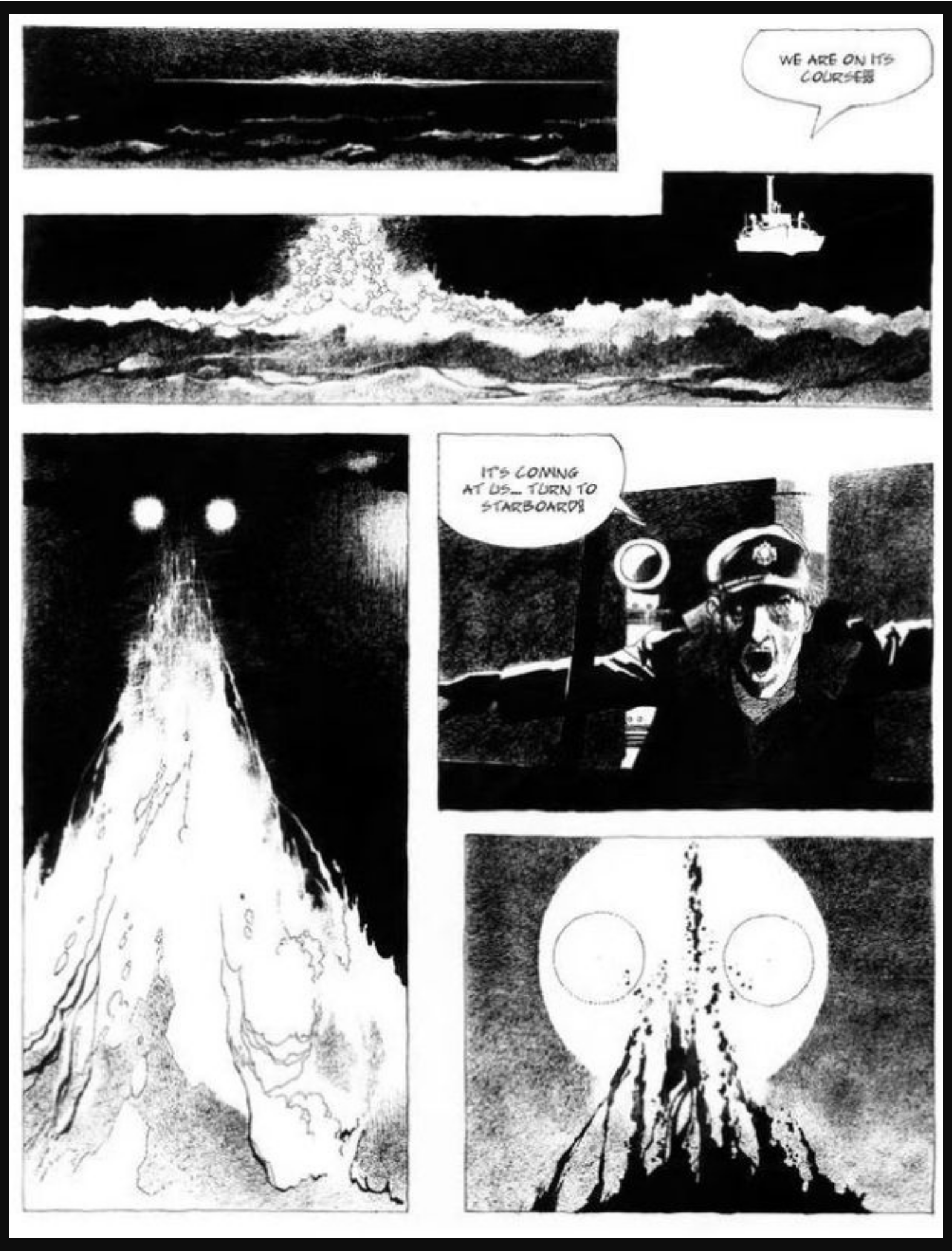
“For readers with a casual interest in detective fiction but a deep appreciation for masterful illustration, this trilogy is well worth exploring.”
-Alex Eklund, Canon Comic Magazine
Synopsis
The Inspector Coke Trilogy by Dino Battaglia is a masterfully crafted series of atmospheric murder mysteries infused with elements of the uncanny and the supernatural. Each installment presents a self-contained case, yet all are united by the enigmatic presence of Inspector Coke, whose calm intellect and understated demeanor provide a steady anchor amid the eerie circumstances he investigates. Battaglia deftly balances classic detective storytelling with Gothic overtones, blurring the line between rational explanation and otherworldly possibility. Taken together, the trilogy forms a haunting exploration of crime, fear, and the thin veil separating the natural from the supernatural.
Critique
Story - The narratives within The Inspector Coke Trilogy follow a familiar and straightforward structure, offering a sense of predictability that will be recognizable to seasoned readers of detective fiction. In the first installment, for instance, Battaglia introduces a string of mysterious murders without immediately revealing the culprit, then methodically presents the suspects along with their potential motives. A pivotal turning point follows, leading swiftly to the revelation of the killer—or, in some cases, an unsettlingly supernatural explanation. Given the brevity of each volume, the pacing is brisk, with little room for extensive misdirection or deeper narrative complexity. While the stories are ultimately satisfying in their resolution, their construction adheres closely to traditional genre conventions and lacks the intricate plotting or innovative twists that might elevate them beyond the realm of standard detective fare.
Art - The art is where this book truly shines. Dino Battaglia uses a long list of artistic techniques including stencils and spongy cotton balls to create an almost airbrushed look to his moody backgrounds and supernatural beings. While the work is old and thus the art feels dated it does not diminish the artistic skills and exceptionalism on every page. I am personally a fan of Toppi and Crepax two incredibly visionary italian cartoonists who have strong unique visual voices and while Dino Battaglia doesn’t quite get to their level he is a strong contender for the next level below. I want all of his work to be translated now into English.
Craft - While the page layouts in The Inspector Coke Trilogy generally adhere to traditional structures—most often variations of a loose nine- or six-panel grid—Battaglia subtly disrupts this framework to create visual interest and rhythm. He frequently expands, merges, or reshapes panels, ensuring that each page maintains a distinct sense of composition while preventing the storytelling from becoming monotonous. Much like the narrative itself, the visual craft feels restrained and conventional, but it is executed with precision and a clear understanding of how form supports the story. None of the choices feel experimental or groundbreaking, yet they consistently serve their purpose: guiding the reader smoothly through the mystery while enhancing the mood and pacing of the narrative.
Impact - The Inspector Coke Trilogy feels firmly rooted in the sensibilities of its time, both in tone and narrative approach. While the stories themselves may not leave a profound or lasting impression, they serve as a valuable reminder of the breadth of European comic artistry that remains underrecognized in the United States. Battaglia’s work highlights a tradition of atmospheric, genre-driven storytelling that deserves greater visibility beyond its original cultural context. However, as individual narratives, these mysteries offer limited enduring impact, functioning more as historical curiosities than as transformative contributions to the genre.
Production
Epicenter continues to create fantastic books which clearly illustrate the content. The paper is a strong glossy paper which highlights the art well but I would be curious to see the material on a toothy paper to see how that effects the art like the magazines which these stories likely were originally printed in. There is an incredible breadth of behind the scenes material at the start of each book in the series. My only complaint is that the extra material feels like it was laid out in a semiprofessional way for presentation but the content itself is fantastic. Overall I think Epicenter and specifically Igor Maricic who is really the person behind their whole production has done another incredible job.
