Reaction to Armaveni by Nadine Takvorian
Written By Alex Eklund
I debated whether to write a formal review or a personal reaction to Armaveni, and ultimately chose the latter. Right now, I’m still processing the book and its emotional weight, its historical urgency, and the way it intersects with people I care about. A reaction feels more honest than pretending I can be fully objective.
Why This Story Matters
I picked up Armaveni because it centers on the Armenian genocide, a history I’ve heard about for most of my life. My oldest friend is half-Armenian, and his family lost relatives across his grandparents’ and great-grandparents’ generations. Their stories were some of the first accounts of genocide I ever encountered not in a textbook, but in a living room, told with anger and a grief stained with confusion how this could have happened.
Unlike the genocides in Eastern Europe and Africa that were widely discussed when I was growing up or the modern genocides my students and their families have been directly affected by, the Armenian genocide is not talked about nearly as often. The Turkish government’s continued refusal to acknowledge the genocide has contributed to a kind of global silence. That silence makes books like Armaveni essential.
A Difficult Book to Describe
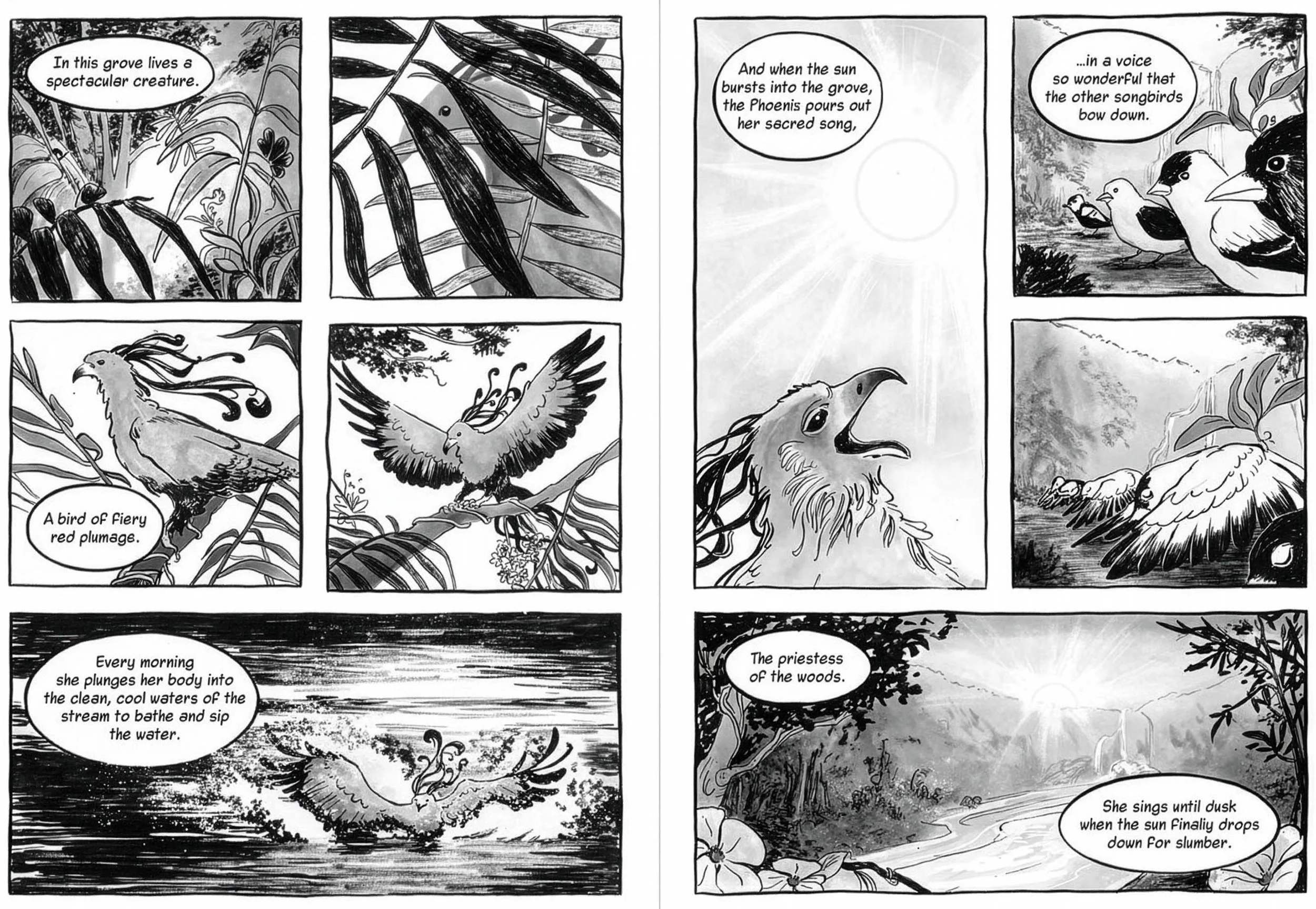
Like They Called Us Enemy by George Takei and Harmony Becker, Armaveni is difficult to categorize. Both books use accessible, YA-friendly illustration styles, yet the artists clearly have the range to push further when the story demands it. Both books also navigate traumatic histories involving communities I know personally, histories that have shaped my understanding of humanity, empathy, and the dangers of stereotyping.
Also, both books make deliberate choices about how much violence to show. They pull back at moments where the full brutality could overwhelm younger readers. This restraint makes them more universal, though it also means they don’t reach the raw, unfiltered intensity of Maus. Whether that’s a flaw or simply a different artistic philosophy is something I’m still wrestling with.
Generational Trauma and Diaspora Identity
Where Armaveni truly excels is in its portrayal of Armenian diaspora culture in America and the way generational trauma continues to shape identity, relationships, and community dynamics.
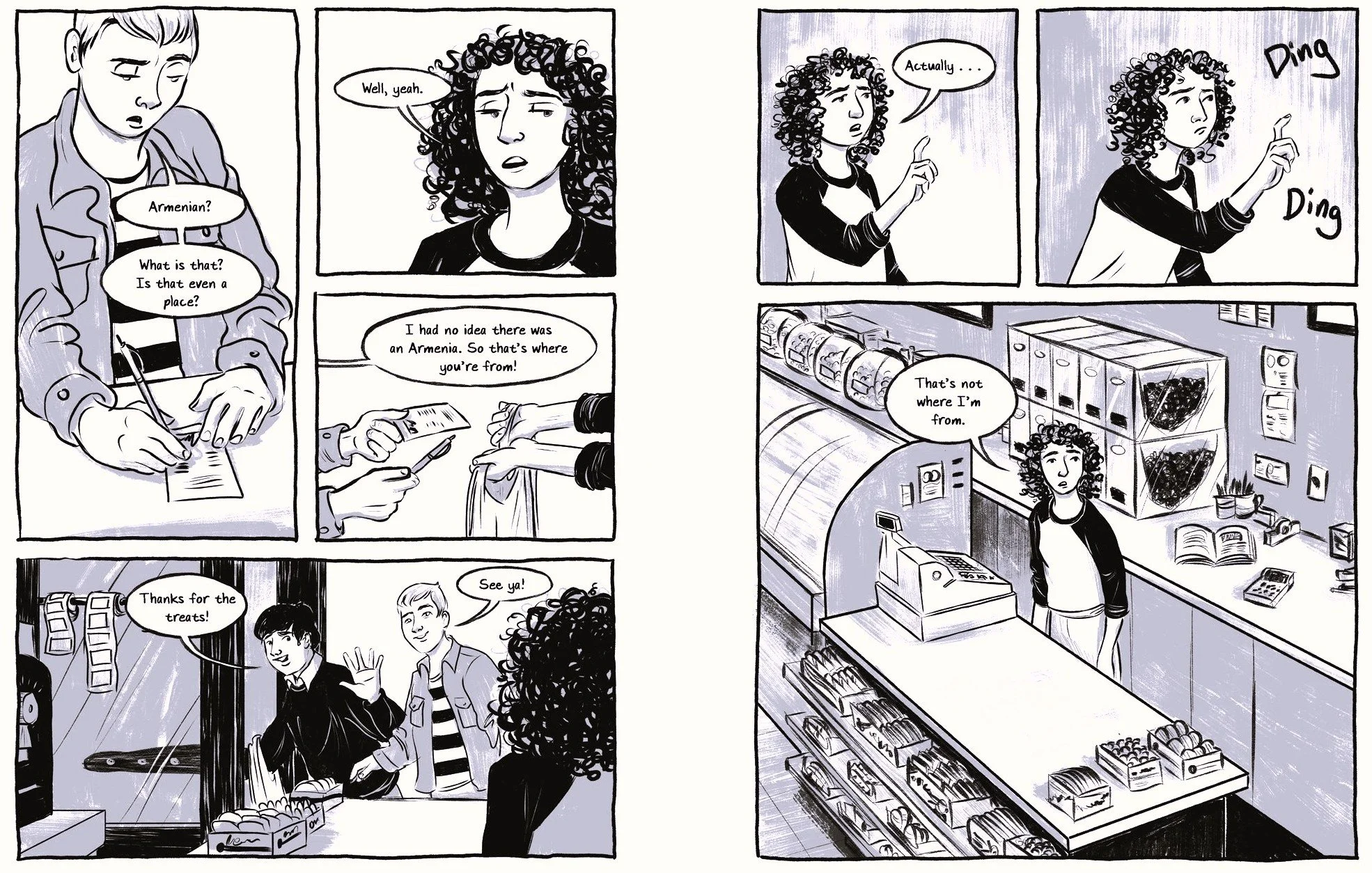
Early in the book, a young woman calls the protagonist a term that marks her as Armenian but descended from families who lived in what is now Turkey. The implication is that her family’s survival staying in the region longer than others makes her somehow “lesser” or “other.” It’s a small moment, but it reveals how trauma can fracture communities from the inside, creating hierarchies based on suffering, displacement, and perceived authenticity.
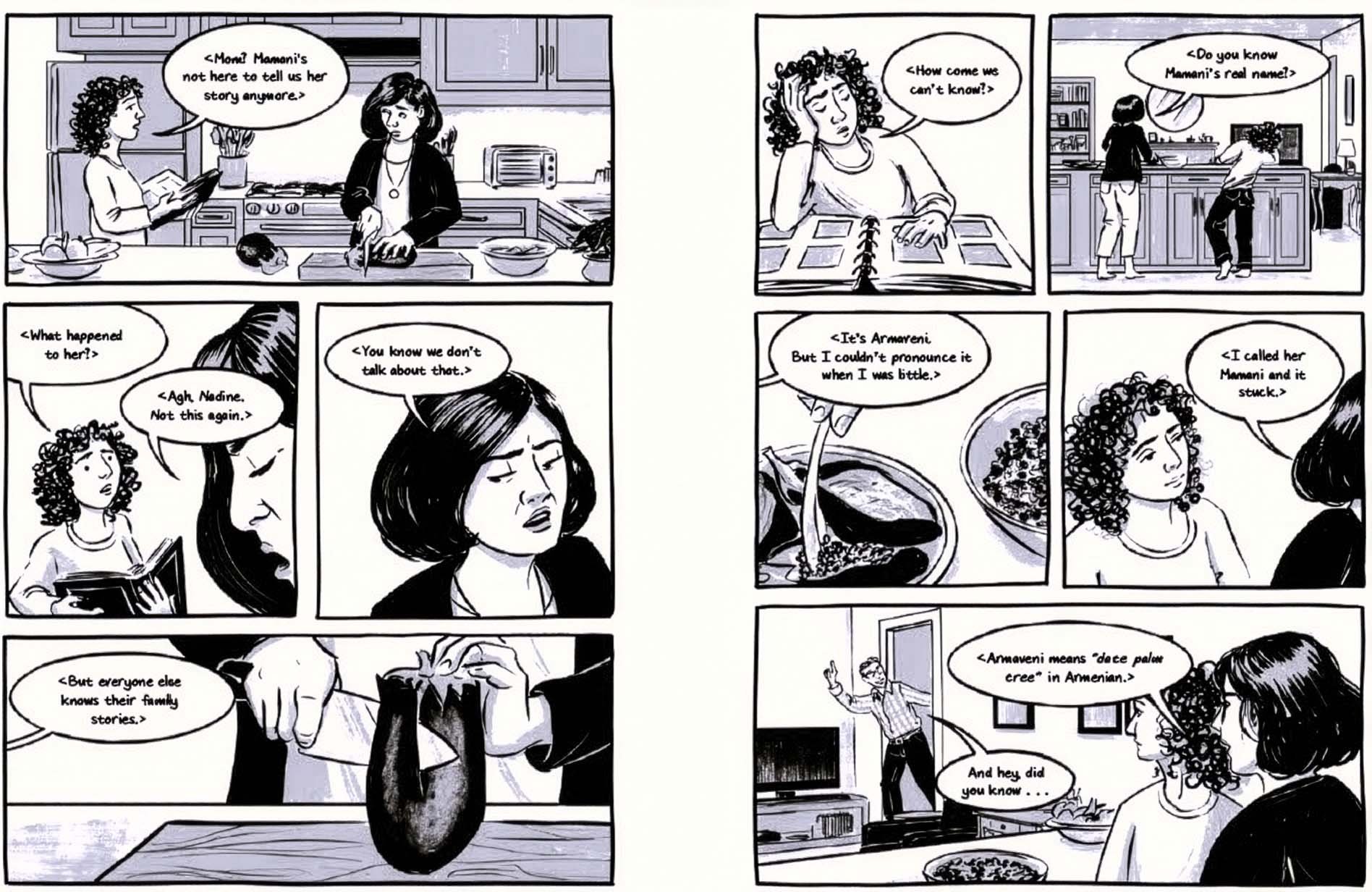
Throughout the book, these moments accumulate. You feel how an atrocity committed generations ago still reverberates through everyday interactions. As a modern reader, especially one watching new atrocities unfold in real time, it becomes easier to understand how violence on a massive scale reshapes not just individuals but entire cultures.
Why Young People Should Read This
Armaveni belongs to the same essential reading category as:
Persepolis by Marjane Satrapi
American Born Chinese by Gene Luen Yang
They Called Us Enemy by George Takei
These books help young people understand the difficult events shaping the world around them events that are often sanitized, oversimplified, or ignored entirely in traditional curricula.
Once students have a foundation through these accessible works, they can move on to more challenging texts like:
Palestine by Joe Sacco
Maus by Art Spiegelman
Those books demand more emotions in some ways to push through visuals which brutalize the mind, but they also deepen understanding of how history, trauma, and identity intersect.
Final Thoughts
Armaveni is not just a historical narrative it’s a book about memory, identity, and the long shadow of violence. It’s about how communities carry trauma forward, how they try to heal, and how they sometimes hurt each other in the process. It’s also a reminder that stories of genocide especially those denied or minimized must be told and retold so they are not lost.
I’m still processing Armaveni, but I’m grateful it exists. It’s a book that will stay with me, and one I hope finds its way into classrooms, libraries, and conversations where it can do the work it was meant to do.