David F. Walker: The Kind of Writer I Want
Written By Alex Eklund
I first became aware of David F. Walker far too many years ago at Emerald City Comic Con, back when a then‑lesser‑known Sanford Greene was presenting their art at an Image panel about Bitter Root and other soon to be released Image Comics. At the time, I was still in my “spend every spare dollar of a teacher’s salary on original art” phase, a period of life I recommend to absolutely no one yet everyone, but Greene impressed me enough that I wandered over to their booth anyway. Greene was already surrounded by fans eager for signatures and quick sketches, but Walker sat off to the side, talking with people, signing books, and generally behaving like someone who hadn’t yet been informed he was supposed to act like a rising star.
Fast‑forward to Rose City Comic Con 2026. I’m walking the floor and spot Walker’s booth. People drift by, but not in the same tidal wave as before. He’s still “the Bitter Root guy,” but no longer the up‑and‑coming celebrity whose line threatens to violate fire code. Instead, he’s settled into something far more interesting: the steadfast cartoonist‑writer who keeps showing up, keeps making work, and keeps talking to fans without the protective barrier of a three‑hour queue.
He’s the kind of creator who’s had his big break and, if the universe behaves, has another ten waiting for him. Famous enough that people approach him with earnest enthusiasm, but not so famous that meeting him requires a pilgrimage and a packed lunch.
By the time I reached the front of the line, I’d already overheard the obligatory conversation about the intersection of comics and hip‑hop. (Yes, you’re interesting. No, not quite as interesting as you think.) Then it was my turn.
We ended up talking about zines, the kind of fan‑made artifacts that exist because someone cares too much to keep quiet. And that’s when it clicked: Walker isn’t just a professional writer. He’s a fan’s fan. He’s someone who can take his own obsessions, translate them into narrative, and convince you that you’ve been obsessed with the same thing all along.
1. 2020: Hard Times in the Anarchist Jurisdiction
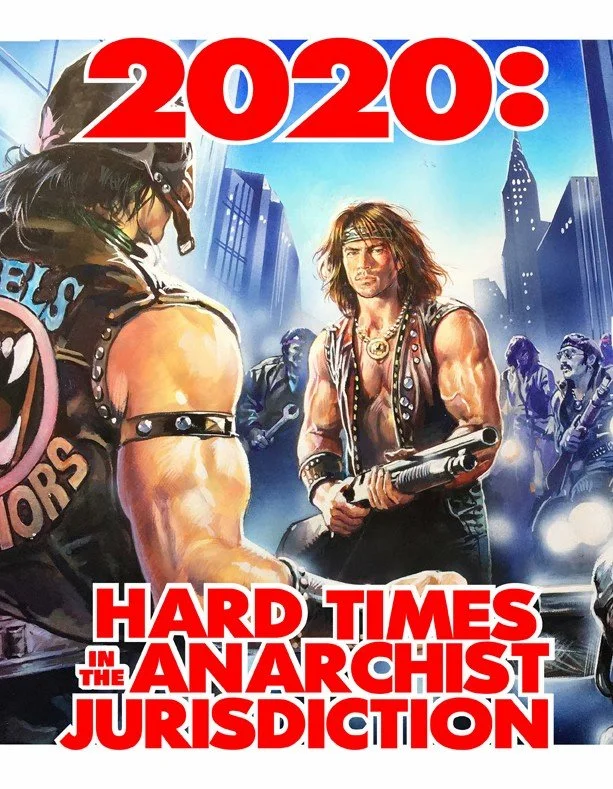
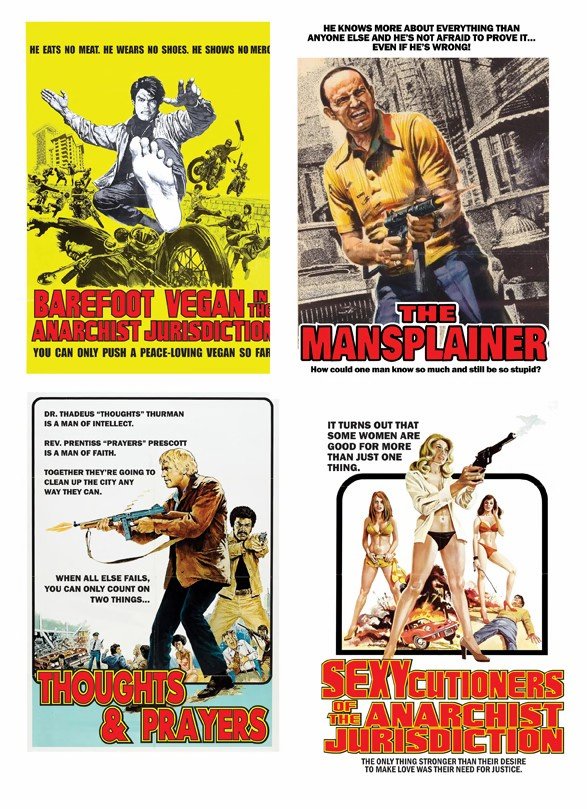
The first thing I picked up was his zine 2020: Hard Times in the Anarchist Jurisdiction, a lovingly assembled tribute to exploitation films of the ’70s and ’80s. Walker mentioned that a friend helped put it together, and it shows, it has that unmistakable “made by people who care too much” energy. It’s the kind of zine that reminds you why zines exist: to evangelize the overlooked, the forgotten, and the deeply weird. It’s genuinely inspiring.
2. Blackenstyne
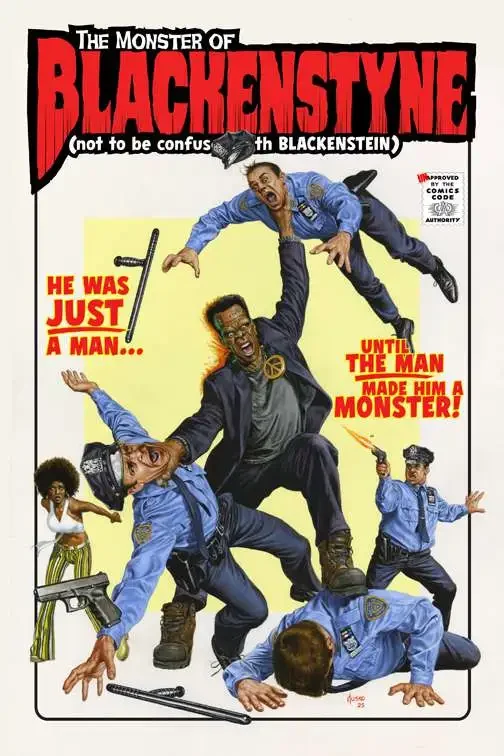
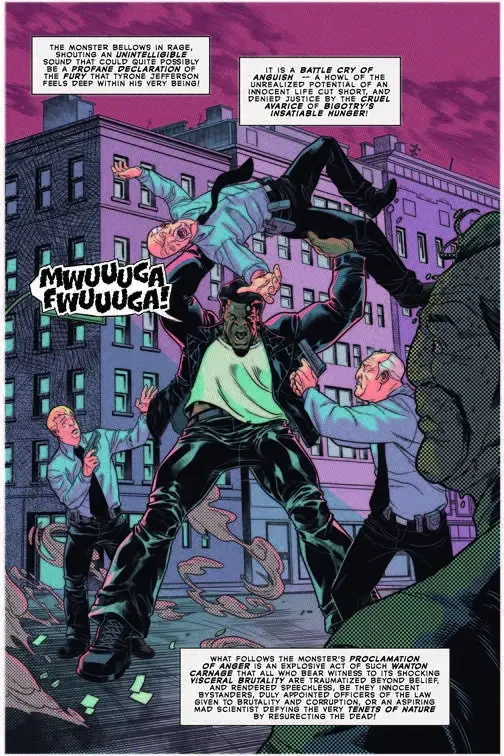
Next was Blackenstyne, his collaboration with Aaron Beatty, one of the most compelling “looking back in time” comics I’ve read in ages. I’ll say it plainly: the comic is not written well. And that’s the point. Walker is holding up a mirror to the comics of his youth, reflecting the era’s storytelling, its limitations, and its cultural blind spots. Beatty’s screen tones give it the right retro texture, but the real impact comes from the way the book interrogates a time when race wasn’t just a surface‑level identifier, it was a structural constraint baked into the culture.
This isn’t a comic designed for casual enjoyment. It’s a comic designed to make you sit with the discomfort of what it meant to be a reader in the 1970s, told implicitly and explicitly that you couldn’t be what you wanted to be. On its surface, it’s forgettable. With context, it lingers for days.
3. The Hated
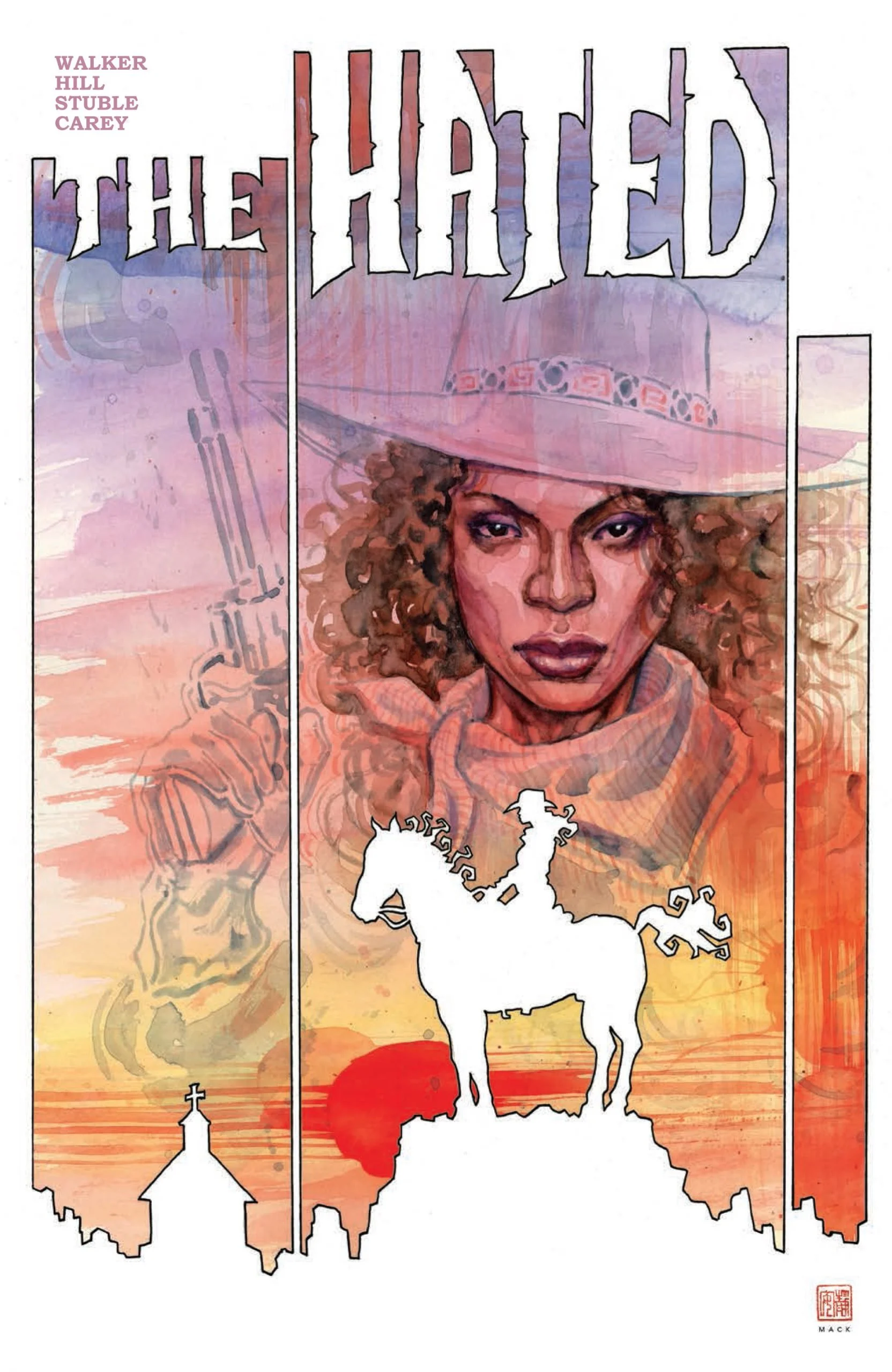
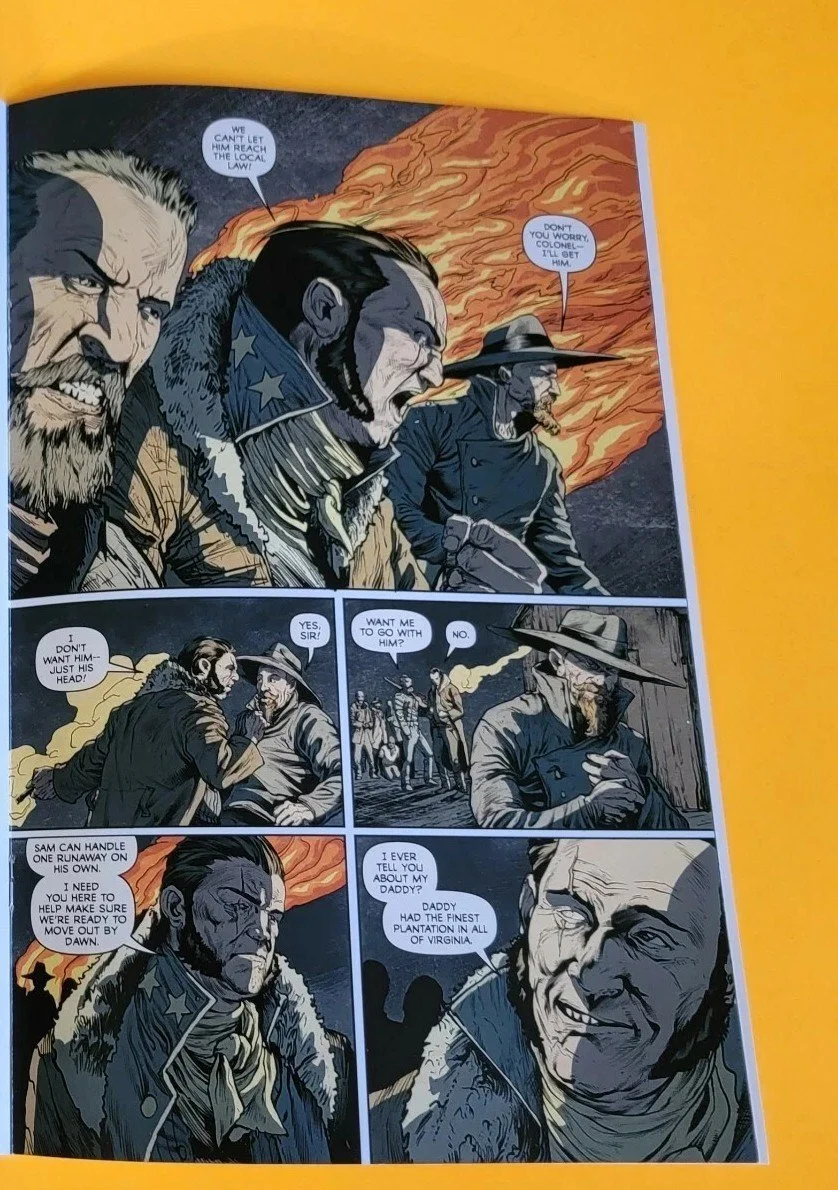
Finally, I picked up The Hated, by Walker, Sean Damien Hill, and Mx. Struble, the book that hit me hardest. It’s an alternate‑history story about the end of slavery, following a former slave turned bounty hunter confronting ex‑Confederates who refuse to acknowledge her humanity. As someone with Southern roots who spends more time than is probably healthy thinking about that era, the book landed with real force. It’s the kind of story I hope Walker continues to pursue sharp, emotional, and unwilling to look away.
In talking with Walker, I was struck by how much he feels like an alternative cartoonist at heart. Someone more interested in slapping society across the face than polishing a superhero pitch for Image. He’s not trying to save the world one caped figure at a time. He’s trying to make work that matters, that challenges, that remembers, and that refuses to let the past stay politely buried.
I walked away from his table an even bigger fan than before. And I hope the comics community keeps lifting him up because he’s exactly the kind of creator who might still give us the next great comic, the one we didn’t know we needed until he made it.